

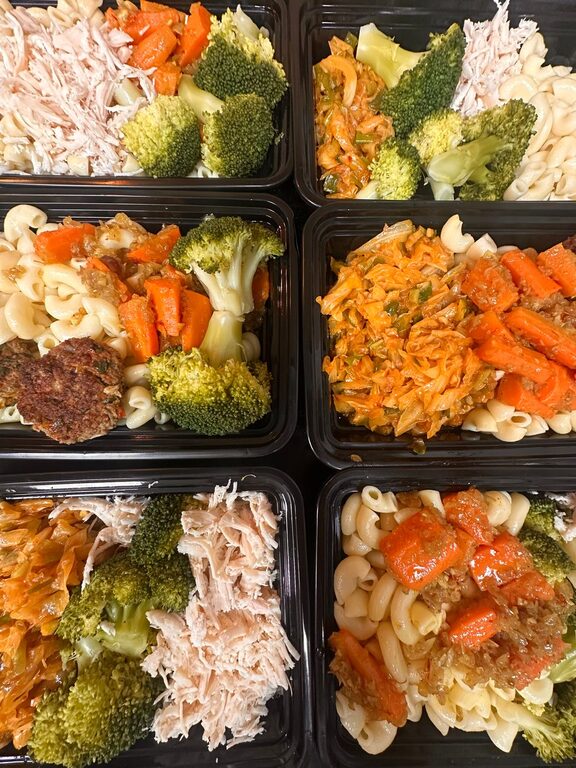
Creating a weekly meal plan is a practical way to simplify your cooking routine, save money, and eat healthier. Whether you’re a busy professional, a parent, or someone looking to organize your meals better, a simple meal plan can make all the difference in your kitchen. This guide will walk you through how to create a straightforward weekly meal plan that fits your lifestyle.
Why Create a Weekly Meal Plan?
Planning your meals ahead offers several benefits:
– Saves time: Knowing what you’ll cook each day avoids last-minute decisions and multiple trips to the grocery store.
– Reduces stress: Taking the guesswork out of dinner frees your mind and helps you feel more organized.
– Encourages healthy eating: Planning helps you include a variety of nutritious foods.
– Saves money: Buying only what you need prevents food waste and impulse spending.
– Supports dietary goals: Whether you want to eat more greens or reduce carbs, a plan keeps you on track.
Step 1: Assess Your Week Ahead
Before you start writing down meals, take a moment to consider:
– Your schedule: Note any busy days, social events, or nights when you’ll eat out.
– Family preferences: Think about who you’re cooking for and their favorite dishes.
– Available ingredients: Check what leftovers or staples you have on hand.
– Cooking time: Some days might allow for longer cooking; others need quick meals.
This assessment helps you tailor your plan realistically.
Step 2: Choose Your Meals
Start by selecting meals for each day of the week. For simplicity, consider these categories:
– Breakfast: Quick options like oatmeal, smoothies, or eggs.
– Lunch: Sandwiches, salads, or leftovers from dinner.
– Dinner: Balanced meals with protein, vegetables, and grains.
Here’s a sample outline for dinner:
| Day | Meal Idea |
|———–|————————–|
| Monday | Grilled chicken and veggies |
| Tuesday | Spaghetti with marinara sauce |
| Wednesday | Stir-fried tofu and rice |
| Thursday | Baked salmon and salad |
| Friday | Homemade pizza |
| Saturday | Tacos with beans and avocado |
| Sunday | Soup and crusty bread |
You don’t need to plan every single meal perfectly. Focus on dinners if those are your biggest planning challenge and keep breakfasts and lunches flexible.
Step 3: Write Your Grocery List
Once meals are chosen, list all the ingredients you’ll need for the week. Organize your list by grocery store sections:
– Produce
– Meat and seafood
– Dairy and eggs
– Pantry staples (pasta, rice, canned goods)
– Frozen foods
– Snacks
Check your kitchen to avoid buying duplicates. This saves money and reduces waste.
Step 4: Prep in Advance
To make your week smoother:
– Batch cook: Prepare large portions of staples like rice, roasted vegetables, or grilled chicken to use in multiple meals.
– Chop veggies: Wash and cut vegetables ahead of time and store them in containers.
– Portion snacks: Divide snacks into grab-and-go bags.
Meal prepping doesn’t have to take all day; set aside one or two hours on a weekend or your least busy day.
Step 5: Stay Flexible
Even the best plans sometimes need adjustment. If you have unexpected leftovers or plans change, don’t hesitate to swap meals around. The goal is to reduce stress, not add to it.
Tips for Success
– Use a meal planning app or printable template: These tools make organizing meals easier.
– Involve family members: Ask for their input to increase meal enjoyment.
– Incorporate seasonal produce: This keeps meals fresh and affordable.
– Try new recipes gradually: Add variety without overwhelming yourself.
– Keep a list of favorite quick meals: Use these on busy days.
Final Thoughts
A simple weekly meal plan is a great step toward a more organized, healthy, and enjoyable cooking routine. By planning meals ahead of time, shopping smartly, and prepping efficiently, you can take the stress out of mealtime. Start small, stay flexible, and watch how this habit transforms your week in the kitchen.
Happy cooking!