

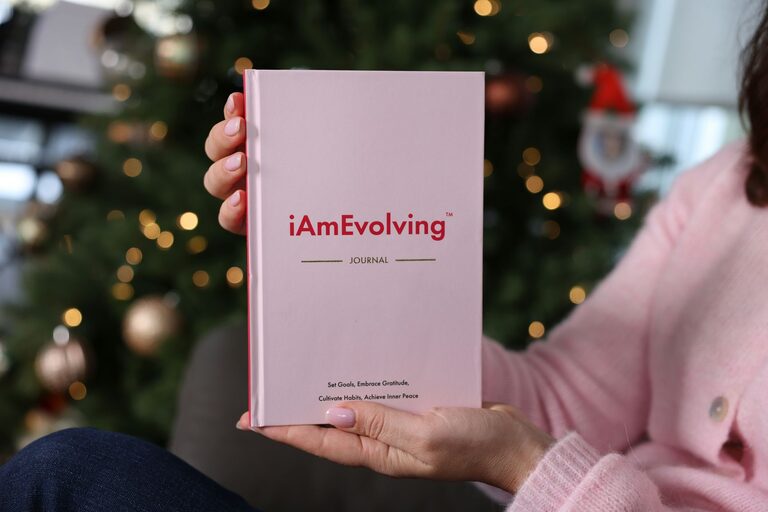
Starting a gratitude journal is a wonderful way to focus on the positive aspects of life and cultivate a mindset of appreciation. Whether you want to reduce stress, improve your mood, or simply keep track of things you are thankful for, journaling gratitude can be a powerful daily practice. In this post, we’ll walk through practical steps to help you begin your own gratitude journal and make it a meaningful habit.
What Is a Gratitude Journal?
A gratitude journal is a dedicated notebook or digital document where you regularly write down things you feel thankful for. These can be big or small moments, people, experiences, or even simple pleasures that bring joy or comfort.
The goal is to help shift your attention away from worries or negative thoughts and toward positive experiences, which can boost your overall well-being.
Benefits of Keeping a Gratitude Journal
Before we jump into how to start, it’s helpful to know why so many people find gratitude journaling valuable:
– Improves mental health: Regularly acknowledging positive things can reduce stress and anxiety.
– Enhances mood: Writing about gratitude often leads to a more optimistic outlook.
– Encourages mindfulness: It helps you stay present and appreciate the here and now.
– Strengthens relationships: Noticing the good in others can improve your connections.
– Builds resilience: Recognizing what you’re thankful for can help you cope during tough times.
How to Start Your Gratitude Journal
1. Choose Your Journal Format
The first step is deciding where you want to keep your gratitude entries. You have many options, so pick what feels convenient and enjoyable for you:
– Notebook: A simple paper journal can be soothing and tactile.
– Digital App: Many apps are designed for gratitude journaling and include reminders.
– Document: Use a word processor or note-taking app on your phone or computer.
– Bullet Journal: Incorporate gratitude sections into an existing planner or bullet journal.
2. Set a Regular Time to Write
Consistency makes a gratitude journal effective. Choose a time that fits your routine, such as:
– Morning: Start the day with positive energy.
– Evening: Reflect on the day before sleeping.
– Anytime: Whenever you feel the need to boost your mood.
Set a reminder if needed, so it becomes a habit.
3. Keep It Simple
You don’t need to write long paragraphs. Even a few sentences or bullet points work well. Aim to list at least three things you’re grateful for each day. Examples include:
– A kind gesture from a colleague
– A sunny day or beautiful weather
– A favorite meal or drink
– Accomplishing a small task
4. Be Specific and Personal
Rather than vague statements like “I’m grateful for my family,” try making it more detailed and personal, such as:
– “I’m thankful for the phone call I had with my sister today.”
– “I appreciate how my coworker helped me finish the project.”
This helps deepen your connection with the feelings of gratitude.
5. Include Why You’re Grateful
Adding reasons can strengthen the emotional impact. For example:
– “I’m grateful for my morning coffee because it helps me wake up and feel ready for the day.”
– “I appreciate my friend’s support because it made a difficult situation easier to handle.”
6. Use Prompts When Needed
Sometimes it’s hard to think of things to write. Prompts can help spark ideas, such as:
– What made you smile today?
– Who inspired you recently?
– What’s something that made your day easier?
– What is something in nature that you noticed this week?
7. Reflect on Your Entries Periodically
After a few weeks or months, look back at what you’ve written. Notice any patterns or changes in your mindset. Reflection can increase your appreciation even more.
Tips to Make Gratitude Journaling Enjoyable
– Personalize your journal: Use colors, stickers, or doodles to make it inviting.
– Combine with meditation or breathing: Spend a moment of calm before writing.
– Write honestly: Don’t force it; if you have tough days, acknowledge them alongside gratitude.
– Share your gratitude: Tell someone about your entries to spread positivity.
– Be patient: Building the habit takes time, so keep at it gently.
Common Challenges and How to Overcome Them
– Feeling like you have nothing to be grateful for: Focus on small, everyday things like a warm bed or a kind smile.
– Skipping days: Set small goals and don’t worry about perfection.
– Getting bored: Change your format or prompts, or allow more creative entries like photos or quotes.
Final Thoughts
Starting a gratitude journal doesn’t require much time or effort, but it can lead to big changes in how you view your life. By regularly focusing on what you appreciate, you can build a more positive outlook, improve your emotional health, and nurture a greater sense of contentment.
Keep your journal close, make it a simple habit, and enjoy the journey of discovering the good in each day. Happy journaling!